
By Zubair
Lahore
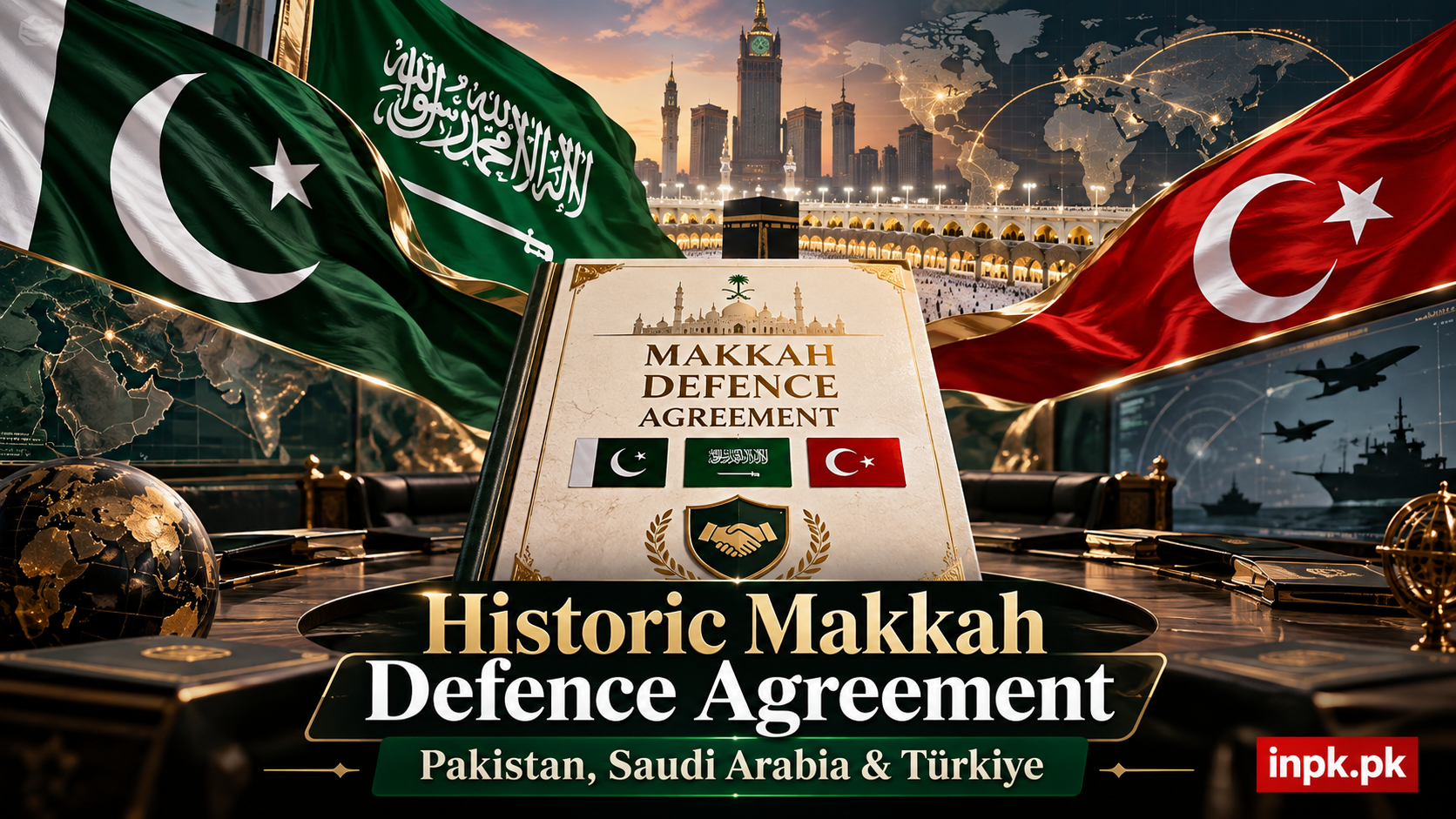
The Pakistan Army has formally endorsed and welcomed the landmark trilateral Makkah Joint Defence Agreement between Pakistan, the Kingdom of Saudi Arabia, and the Republic of Türkiye, underscoring the strategic pact as a major milestone for regional stability and collective security. The endorsement was delivered during the 277th Corps Commanders' Conference held at General Headquarters (GHQ) in Rawalpindi, presided over by Chief of Army Staff and Chief of Defence Forces, Field Marshal Asim Munir.
The military leadership conducted a comprehensive review of the strategic security environment, foreign defense pacts, counter-terrorism operations, and domestic stability. According to an official statement issued by the Inter-Services Public Relations (ISPR), the high-level forum expressed unwavering satisfaction with the institutionalization of collective defense frameworks between the three brotherly nations.
Trilateral Collective Security and Strategic Defense Architecture
The Makkah Joint Defence Agreement, formally concluded in August 2026, establishes a binding collective security framework stipulating that an armed external aggression against any one of the three signatory nations shall be considered an act of aggression against all. The pact provides for joint command coordination, mutual operational assistance, and the establishment of a permanent defense secretariat located in Saudi Arabia.
During the GHQ deliberations, the commanders affirmed that the strategic alliance significantly enhances defense production synergy, joint aerial and naval exercises, and intelligence coordination. The forum highlighted that Pakistan, Saudi Arabia, and Türkiye share enduring fraternal bonds anchored in shared values and mutually vital geopolitical interests.
Uncompromising Commitment to Haramain Sharifain
Reaffirming Pakistan's long-standing strategic doctrine, the Corps Commanders emphasized the nation's absolute and non-negotiable dedication to the sovereignty, territorial integrity, and protection of Saudi Arabia. The military forum specifically condemned recurring cross-border missile, rocket, and drone incursions launched by regional non-state actors targeting civilian infrastructure and populated centers inside the Kingdom.
The conference declared that the sanctity, security, and defense of the Haramain Sharifain—the two holy mosques in Makkah and Madinah—remain a core sacred duty and strategic priority for the armed forces of Pakistan. Military commanders reaffirmed that Pakistan stands ready to deploy all necessary defensive capabilities to support the defense of the holy shrines whenever required.
Regional Counter-Terrorism and Domestic Stability
Turning to internal and border security, the conference received detailed operational briefings on ongoing intelligence-based operations (IBOs) targeting militant networks across Khyber Pakhtunkhwa and Balochistan. The military leadership reaffirmed that the state will persist with relentless counter-terrorism operations until the complete elimination of foreign-sponsored militancy.
Addressing the domestic political landscape and scheduled demonstrations in Islamabad, the military leadership cautioned against any organized attempts to provoke civil disorder or disrupt state institutions, warning that any recurrence of orchestrated political violence will be confronted with decisive legal action to safeguard constitutional authority and national peace.
For ongoing verified coverage of national security, defense policy, and international diplomacy, explore INPK News and follow comprehensive analysis on INPK Politics.