
By Web Desk
Colombo
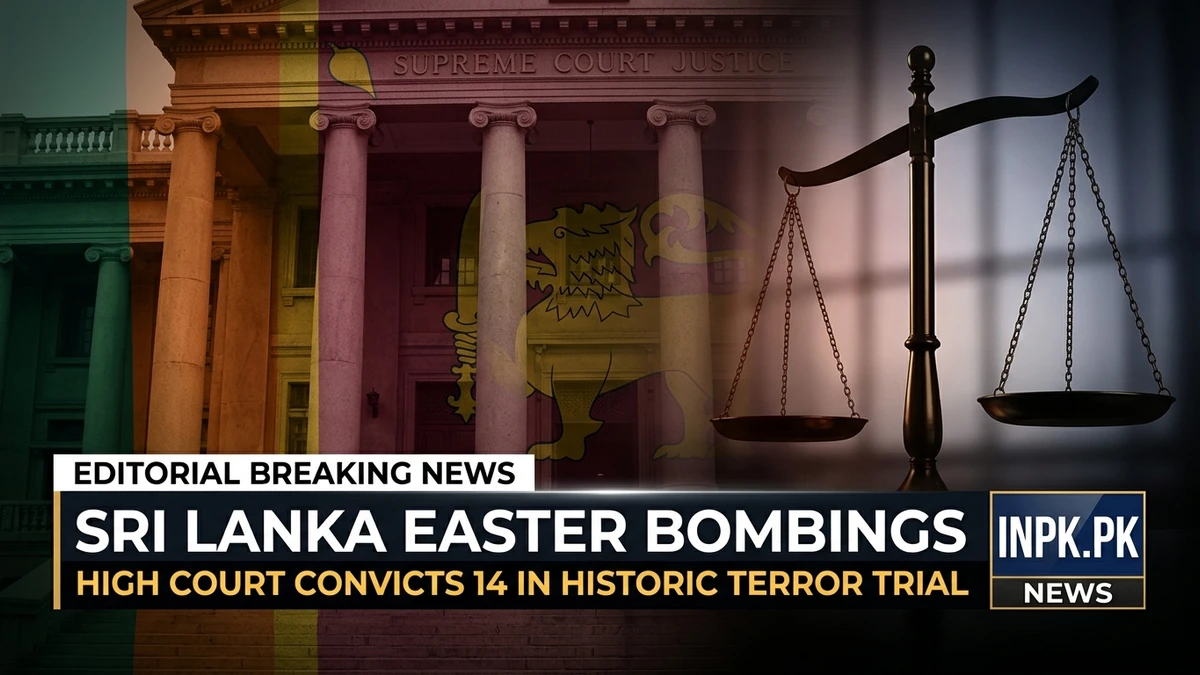
In a historic judicial conclusion to one of South Asia deadliest terrorism trials, the High Court of Sri Lanka on Tuesday convicted 14 defendants of murder, conspiracy, and aiding the 2019 Easter Sunday suicide bombings that killed 279 people and injured more than 500 across churches and international hotels.
The landmark verdict, delivered by a special three-judge trial-at-bar bench in Colombo, marks the culmination of five years of contentious legal proceedings involving more than 23,000 separate criminal indictments. The court found 15 of the 24 accused guilty, with 14 convicted across all major charges under the penal code and the Prevention of Terrorism Act, while a 15th defendant was found guilty of partial charges. Nine defendants were formally acquitted and ordered released due to insufficient direct evidence linking them to the operational cell.
Judicial Findings on Conspiracy and Ideological Ringleader
Among those convicted on all counts was Mohamed Naufar, also widely documented as Naufer Moulavi, whom state prosecutors identified as the principal ideological mastermind and organizer who guided the radical faction following the death of suicide squad leader Zahran Hashim. Evidence presented during the trial established that Naufar coordinated clandestine weapons training camps, disseminated extremist propaganda, and administered loyalty oaths to members of the local militant group responsible for the assault.
Presiding judges Damith Thotawatta, Amal Ranaraja, and Navaratne Marasinghe affirmed that prosecutors successfully proved beyond reasonable doubt that the convicted conspirators provided operational reconnaissance, procured precursor explosive chemicals, and established safe houses across the Western and Eastern provinces prior to the coordinated attacks.
"The scale of premeditated malice and catastrophic loss inflicted upon peaceful worshipers and innocent civilians represents an unprecedented assault against our collective social fabric," the bench observed in its summary judgment. "Those who actively planned, financed, and facilitated the deployment of suicide bombers bear full criminal responsibility for each individual life lost."
The 2019 Tragedy and Enduring National Trauma
On the morning of April 21, 2019, seven suicide bombers detonated synchronized explosive devices targeting Christian congregations during Easter services at St. Anthony Shrine in Kochchikade, St. Sebastian Church in Katuwapitiya, and Zion Church in Batticaloa. Moments later, explosions tore through luxury dining halls at the Shangri-La, Kingsbury, and Cinnamon Grand hotels in Colombo, claiming the lives of dozens of foreign nationals alongside Sri Lankan citizens.
The attacks shattered a decade of relative domestic peace following the end of Sri Lanka civil conflict and triggered political upheaval. Successive presidential commissions and international inquiries highlighted severe administrative lapses, noting that specific intelligence warnings received from regional security agencies days before the blasts were disregarded by high-ranking defense officials.
Survivor Reactions and Accountability Demands
Families of the victims and religious leaders gathered outside the Colombo High Court complex as heavily armed police commandos maintained tight security perimeters across the judicial precinct. While victim advocacy groups recognized the convictions as a vital step toward legal closure, Church representatives reiterated calls for broader institutional accountability regarding systemic intelligence failures.
Sentencing hearings for the 15 convicted individuals are scheduled to proceed immediately, with prosecutors requesting maximum statutory terms, including life imprisonment under prevailing anti-terrorism statutes. Legal observers anticipate defense appeals will be lodged before the Supreme Court, ensuring that the legal ramifications of the 2019 tragedy will continue shaping Sri Lanka judicial and security landscape.
Follow comprehensive international legal verdicts, regional security developments, and global justice archives on INPK world news coverage.