
By Web Desk
Washington
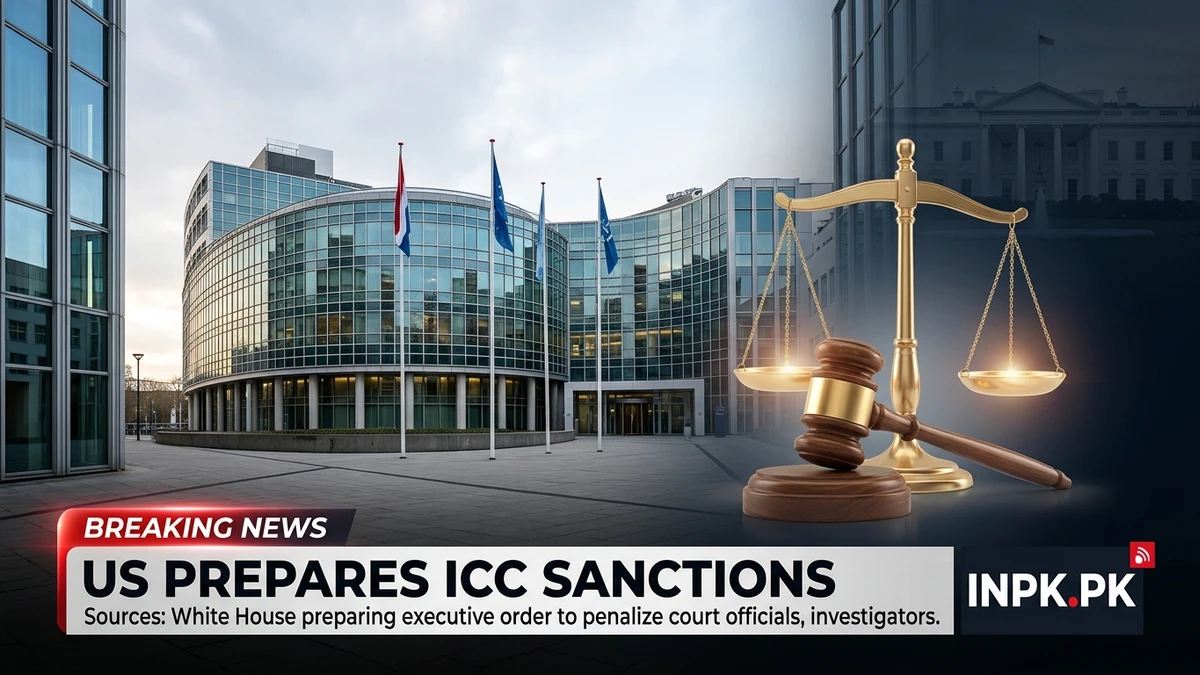
The administration of United States President Donald Trump is preparing to impose sweeping, institution-wide economic sanctions against the International Criminal Court (ICC), according to senior administration officials and reports published on Monday.
The prospective executive measures would mark an unprecedented escalation in Washington's confrontation with the The Hague-based tribunal. Unlike previous targeted restrictions that focused on individual jurists, the upcoming package is designed to treat the court as an entire entity, effectively cutting off the judicial body from the United States financial system and international commercial banking networks.
Sweeping Commercial and Banking Restrictions
Under draft executive orders currently under active review ahead of the 81st United Nations General Assembly in New York, the proposed sanctions would prohibit American citizens, financial institutions, and corporate entities from providing funds, goods, or operational services to the court.
According to sources familiar with the deliberations, the enforcement framework is expected to include a transition window of six to seven months before full operational prohibitions take effect. If implemented without broad exemptions, the denial of access to transactions in United States dollars would severely constrain the court's core administrative functions, including the payment of staff salaries, retention of independent field investigators, international travel logistics, cybersecurity software, and institutional liability insurance.
Dispute Over Sovereign Jurisdiction and Israeli Warrants
The punitive measures follow years of mounting diplomatic friction between Washington and the tribunal, which intensified after ICC judges issued arrest warrants in late 2024 for Israeli Prime Minister Benjamin Netanyahu and former Defense Minister Yoav Gallant over conduct in the Gaza conflict.
Neither the United States nor Israel is a state party to the Rome Statute, the 1998 treaty that established the court. The White House and Secretary of State Marco Rubio have repeatedly asserted that the tribunal lacks legitimate jurisdiction over citizens of sovereign nations that have not consented to its authority, characterizing the court's proceedings against allied leaders as an unacceptable infringement on national sovereignty.
While the United States State Department has not issued a formal on-the-record proclamation regarding the timing of the executive order, officials confirmed that policy discussions are in their final stages, with a formal announcement possible as early as this week during bilateral engagements at the United Nations.
Global Repercussions and Diplomatic Fallout
Legal scholars and international human rights organizations have raised urgent alarms over the potential fallout of cutting off the world's primary permanent war-crimes court. ICC officials in The Hague have consistently defended the court's statutory independence, underscoring that its judicial mandate derives from more than 120 member states committed to accountability for genocide, war crimes, and crimes against humanity.
European Union member states, including key NATO allies that serve as leading financial contributors to the ICC, are expected to mount strong diplomatic resistance to any unilateral measures that threaten to paralyze the tribunal's global investigations, which span conflicts across Eastern Europe, Africa, and the Middle East.
Diplomatic observers note that the standoff could precipitate a significant rift between Washington and its European partners at the United Nations General Assembly debate. Readers can follow developing diplomatic reactions, United Nations proceedings, and foreign policy updates through INPK world news coverage.